
Student Forum Videos & Articles
Click on an image to watch a video or view an article.
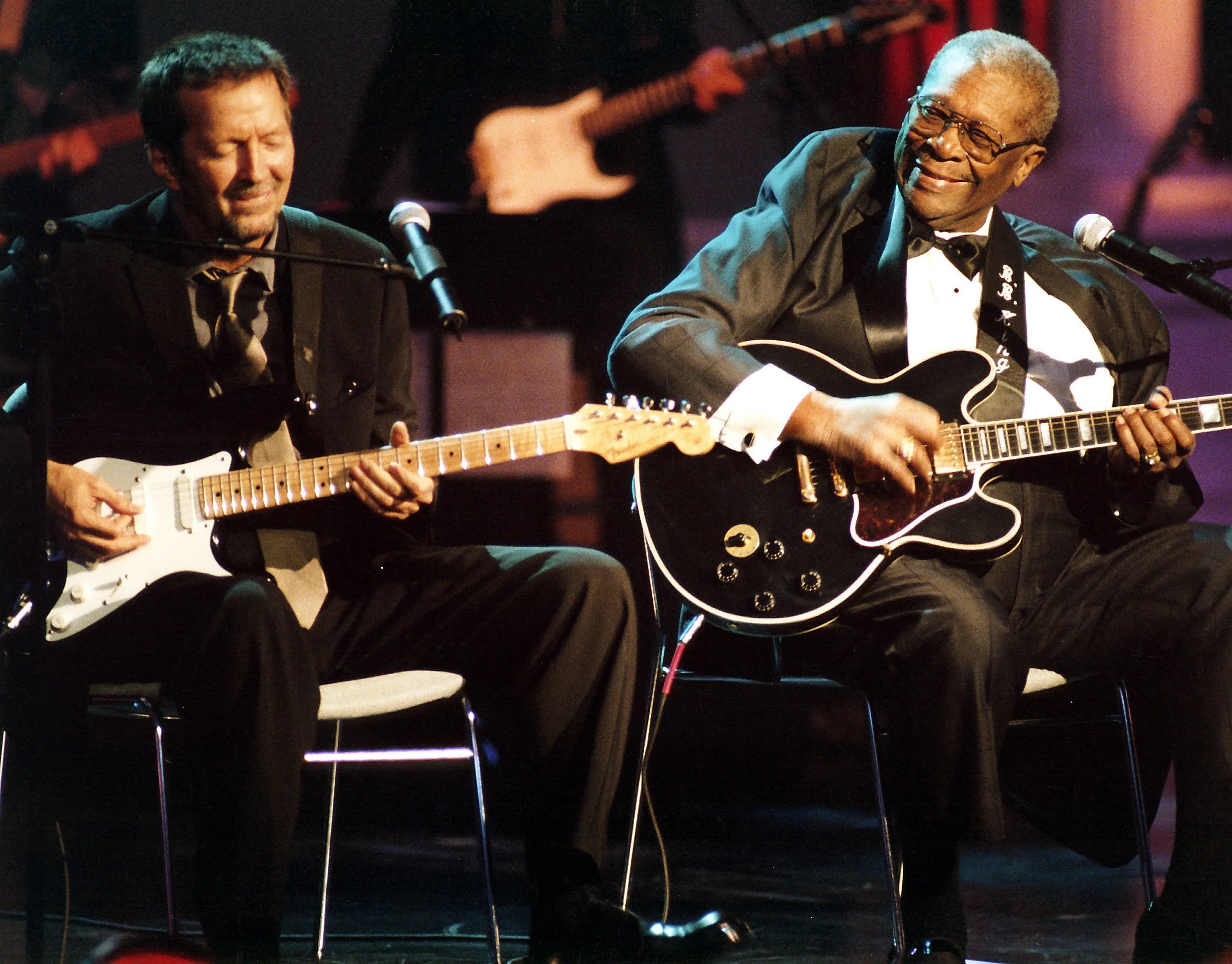
Thinking and playing is virtually impossible beyond 50 beats per minute. Beyond that tempo, a player will only continuously find frustration in any attempt to think and play simultaneously. Practicing slowly makes it possible to connect your ear to the instrument, a critical component when improvising. Listen to Eric Clapton's response to what he thinks about when beginning an improvised solo. Pay particular attention to what he says at :18 and at 1:20 seconds into the clip.
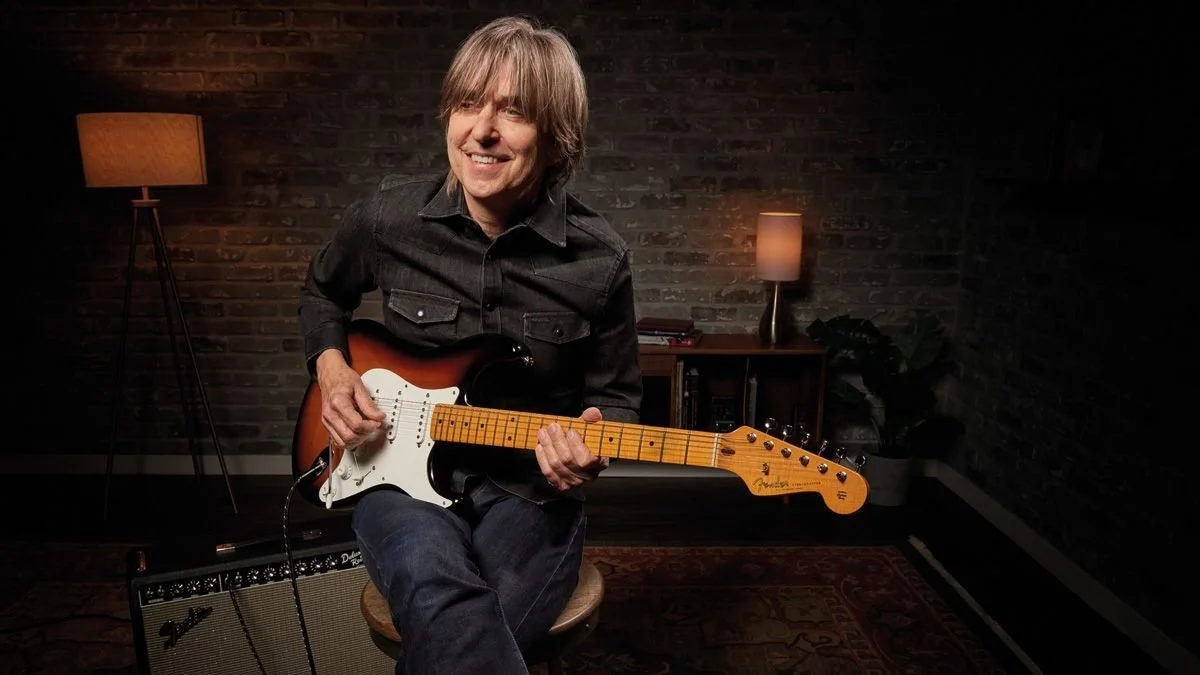
Eric Johnson discusses how being creatively liquid is a key to growth. Developing one's voice is a never-ending process. The instrument should be an extension of oneself. The flow can then lead to a state in which time, location, and ego disappear.
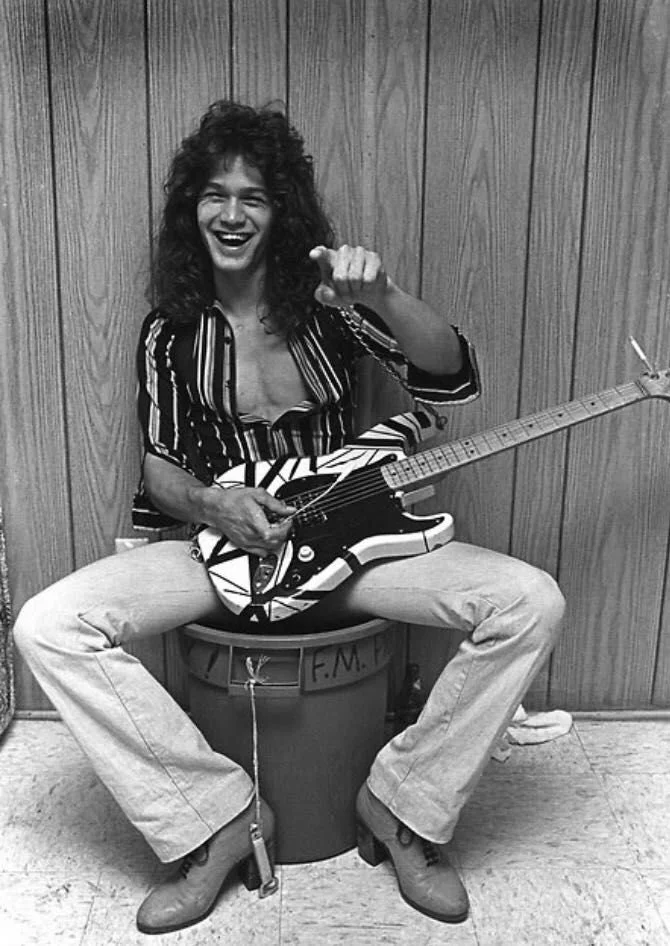
Eddie Van Halen’s advice to guitarists in regards to originality, motivation, fame, and necessary dedication. From an early (1978) interview with acclaimed author Jas Obrecht (Guitar Player Magazine).
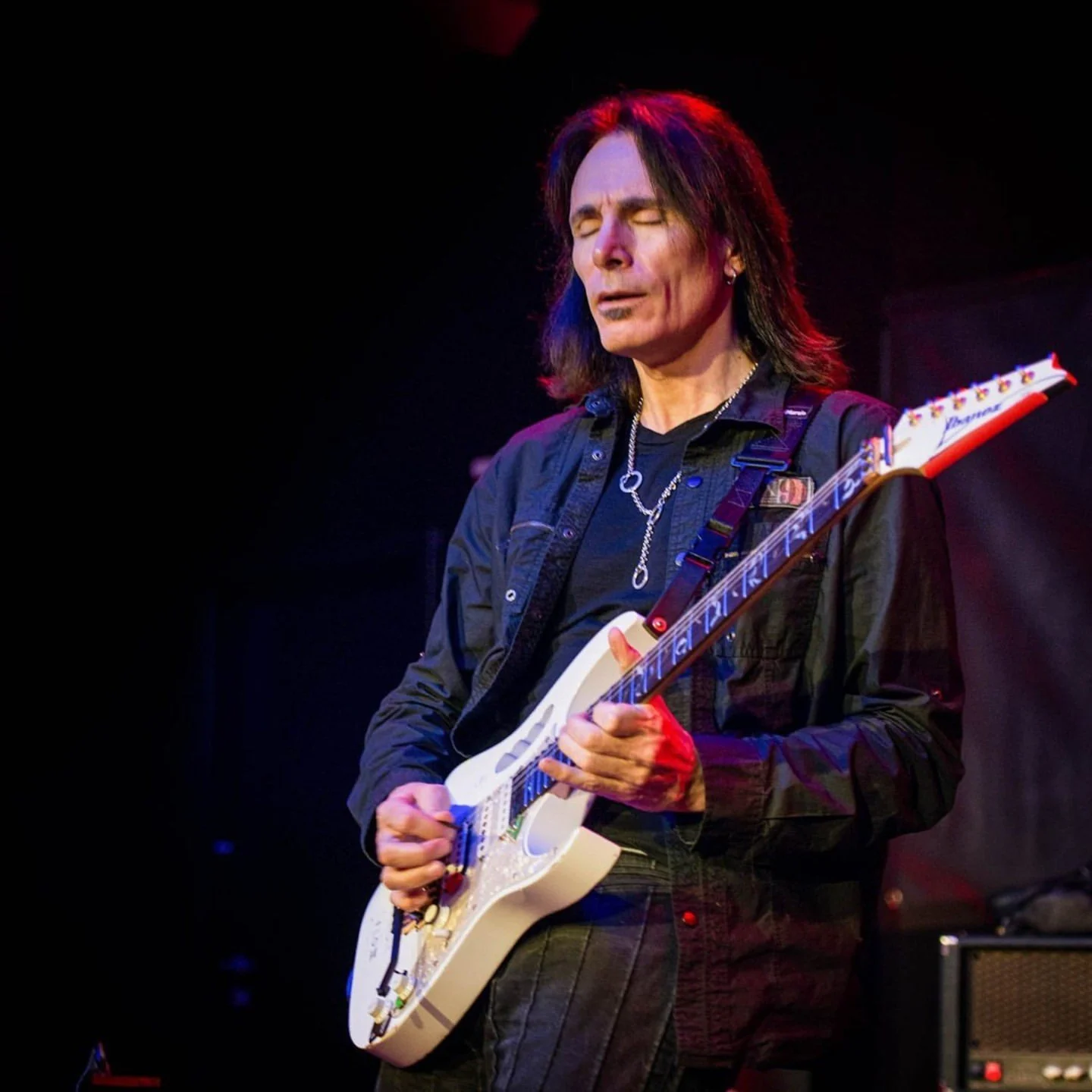
Steve Vai talks about how he learned to play intensely difficult guitar parts for Frank Zappa. He practiced very slowly and maintained a pertinacious approach.
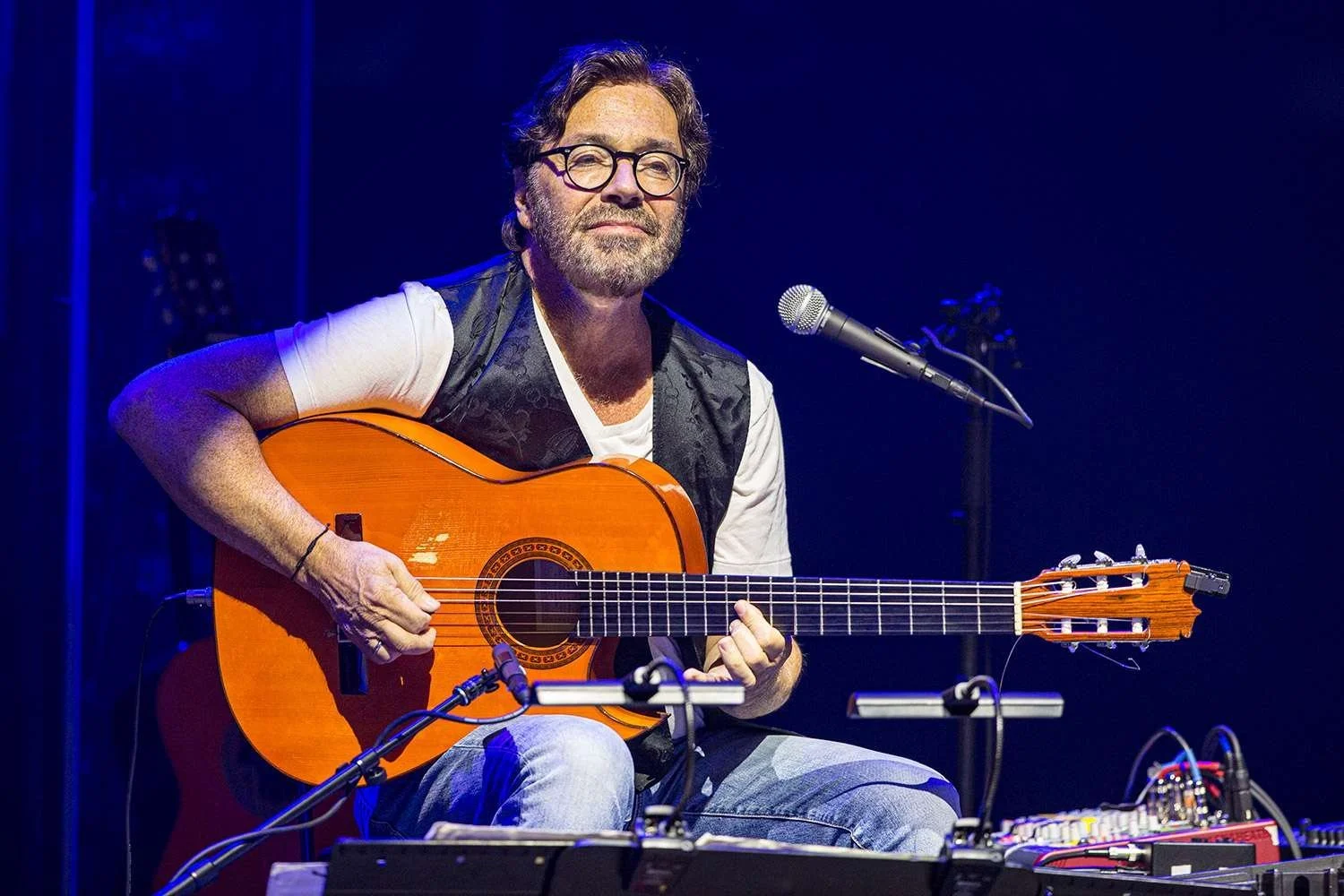
Al Di Meola on the necessity of using his foot to reinforce the pulse. The lack of pulse is likely the most neglected element of guitarists. Remember: your rhythmic foundation stems from your sense of pulse.
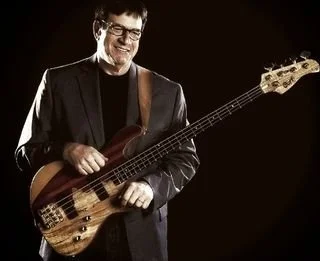
Bassist Jeff Berlin (Bill Bruford, Allan Holdsworth, Pat Martino, John McLaughlin, Yes, Frank Zappa, Dennis Chambers) speaks about the benefit of practicing slowly.
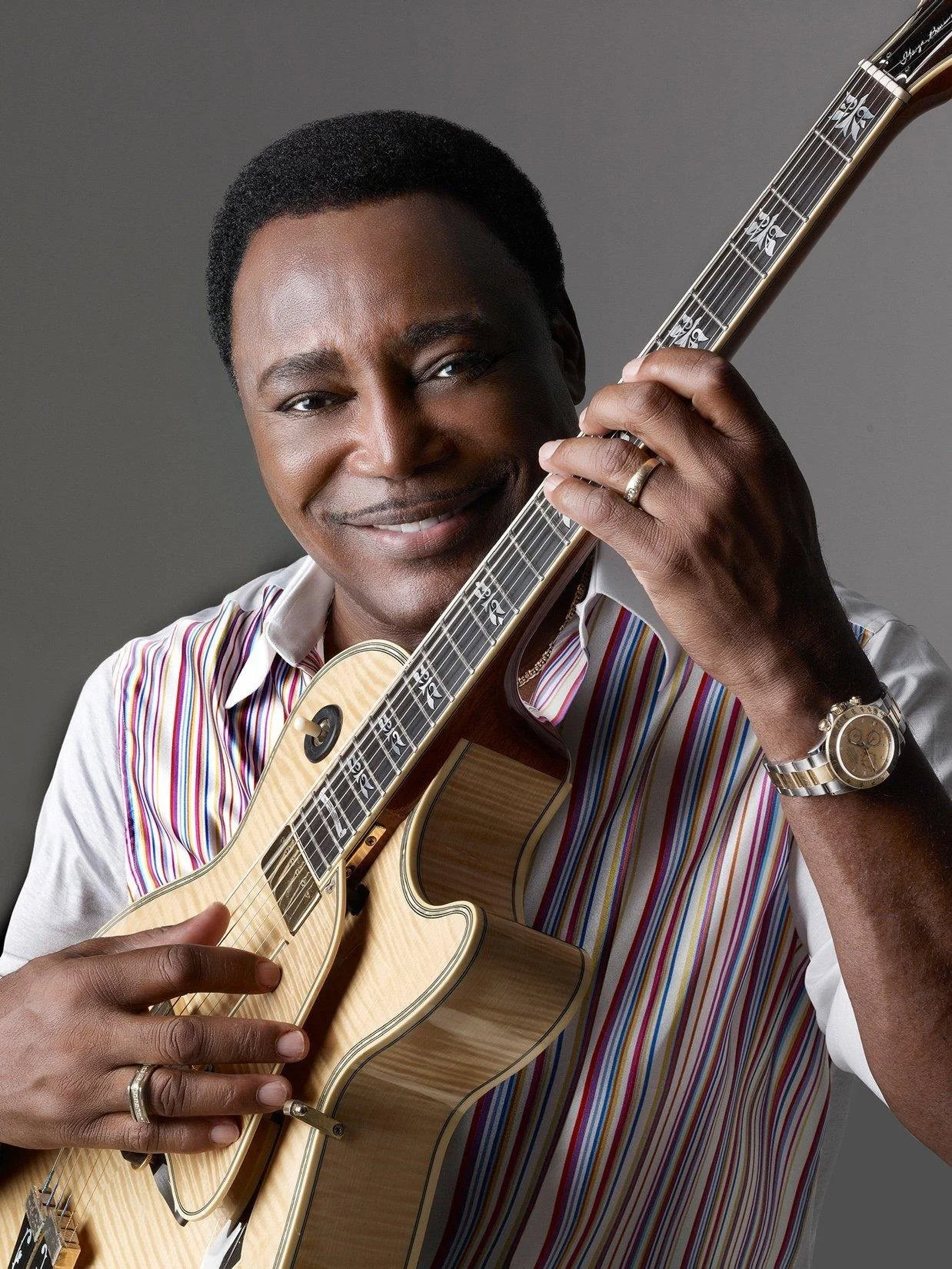
The most sophisticated things are rooted in simplicity, as George Benson points out. Simplicity prevents you from getting lost in the ornamental.
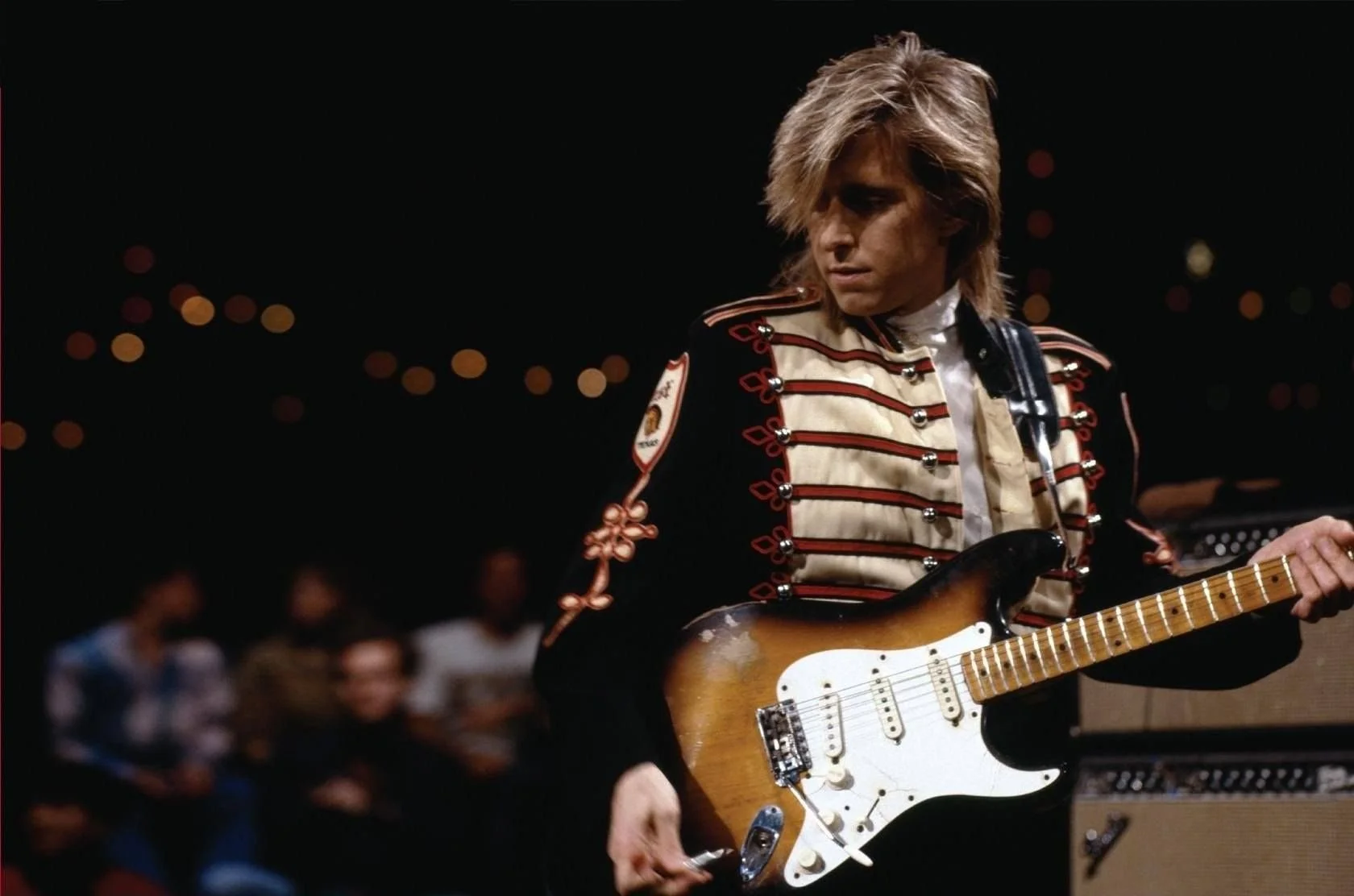
Practicing slowly in tempo leads to not having to think while performing. Thinking at faster tempos hinders real-time creative flow.

Feeling the pulse is foundational as Michael Jackson demonstrates. It makes no difference if you are singer, guitarist, saxophonist, et al.

Thanks to Dino for this reference. Technical malfunctions with equipment happen, sometimes at the most inconvenient time. While these can throw you off during a performance, act swiftly to solve the issue at hand. During a recent concert, Ed Sheeran realizes his guitar is improperly tuned. Unfazed, Ed Sheeran stops the song and retrieves another guitar.
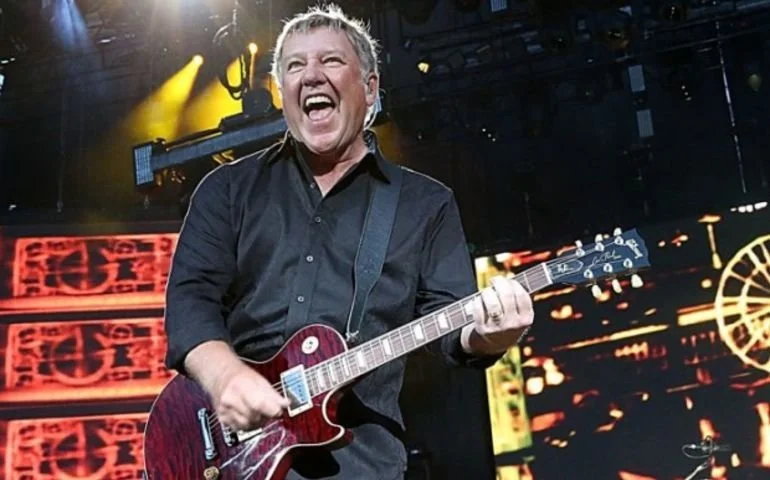
Alex Lifeson of Rush responds to those who believe that every live show must be great. The reality is that train wrecks would still happen, despite playing with same band for over 40 years. He states that only about 4% of Rush’s live performances are great.
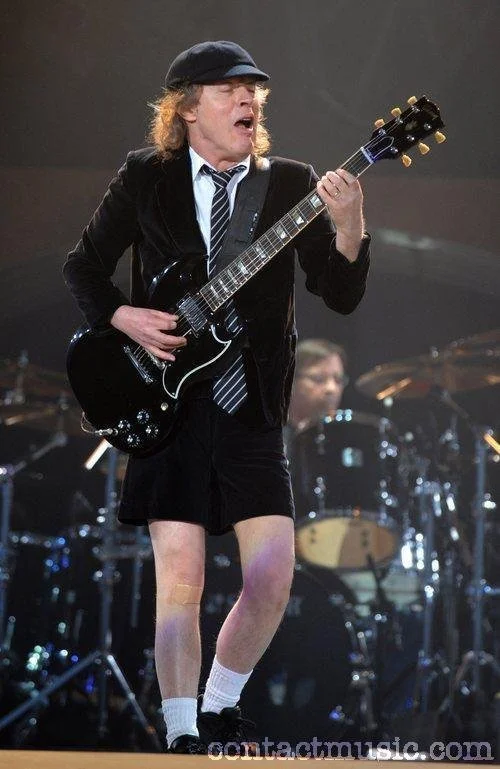
Angus Young, lead guitarist for AC/DC, speaks of Jimi Hendrix and declares rhythm as the stronger foundation for playing, as opposed to mechanics and technique.
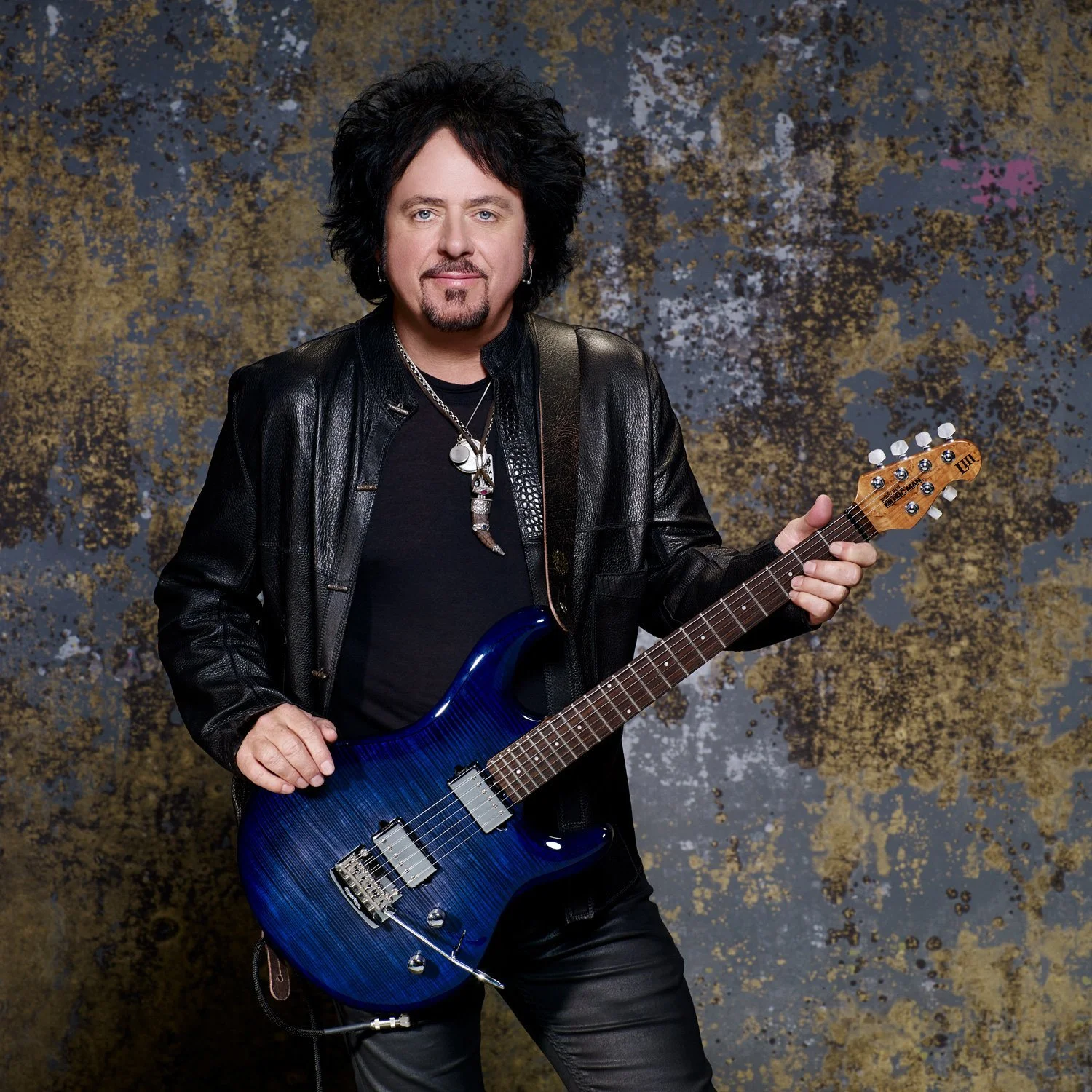
Steve Lukather on the importance of playing the guitar in a relaxed manner. Listen to your body and avoid playing with tension or pain.
Vance Powell on being unafraid of failure.
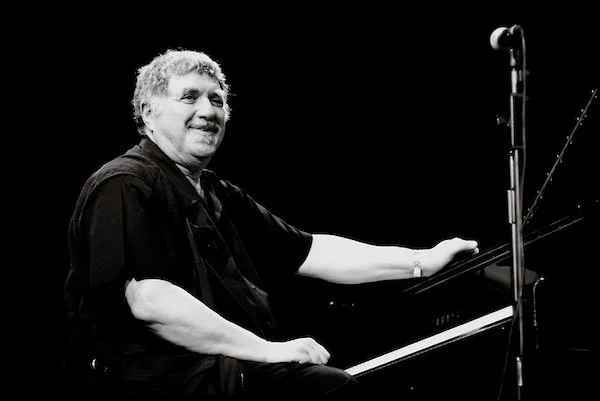
Hal Galper, one of the great pianists of this era, delves into the difference between mindsets when it comes to practicing and playing. This is why I stress that you should balance between the two experience both sides. All the practice in the world cannot take of the place of the playing experience. (For one, our conscious brains don't operate fast enough.) Practice is to use the conscious to allow for our subconscious to take over when we actually play. I strongly recommend checking out the opening minutes of this masterclass.
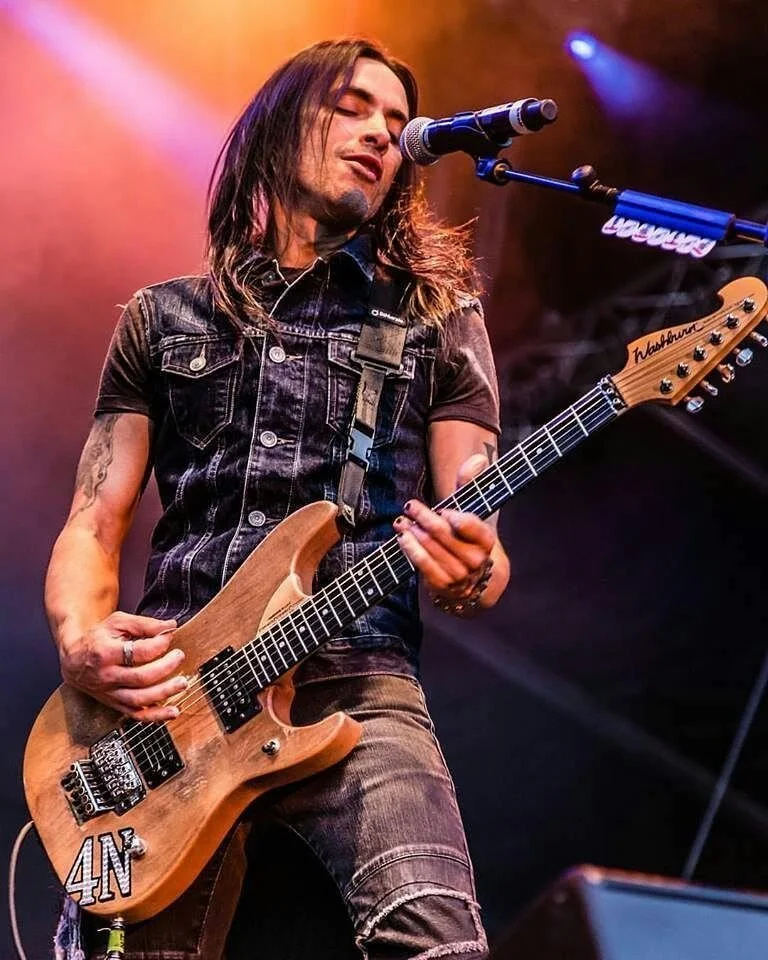
Nuno Bettencourt of Extreme reflects on the reality of a longtime dream that came true: playing Eddie Van Halen's guitar and rig.
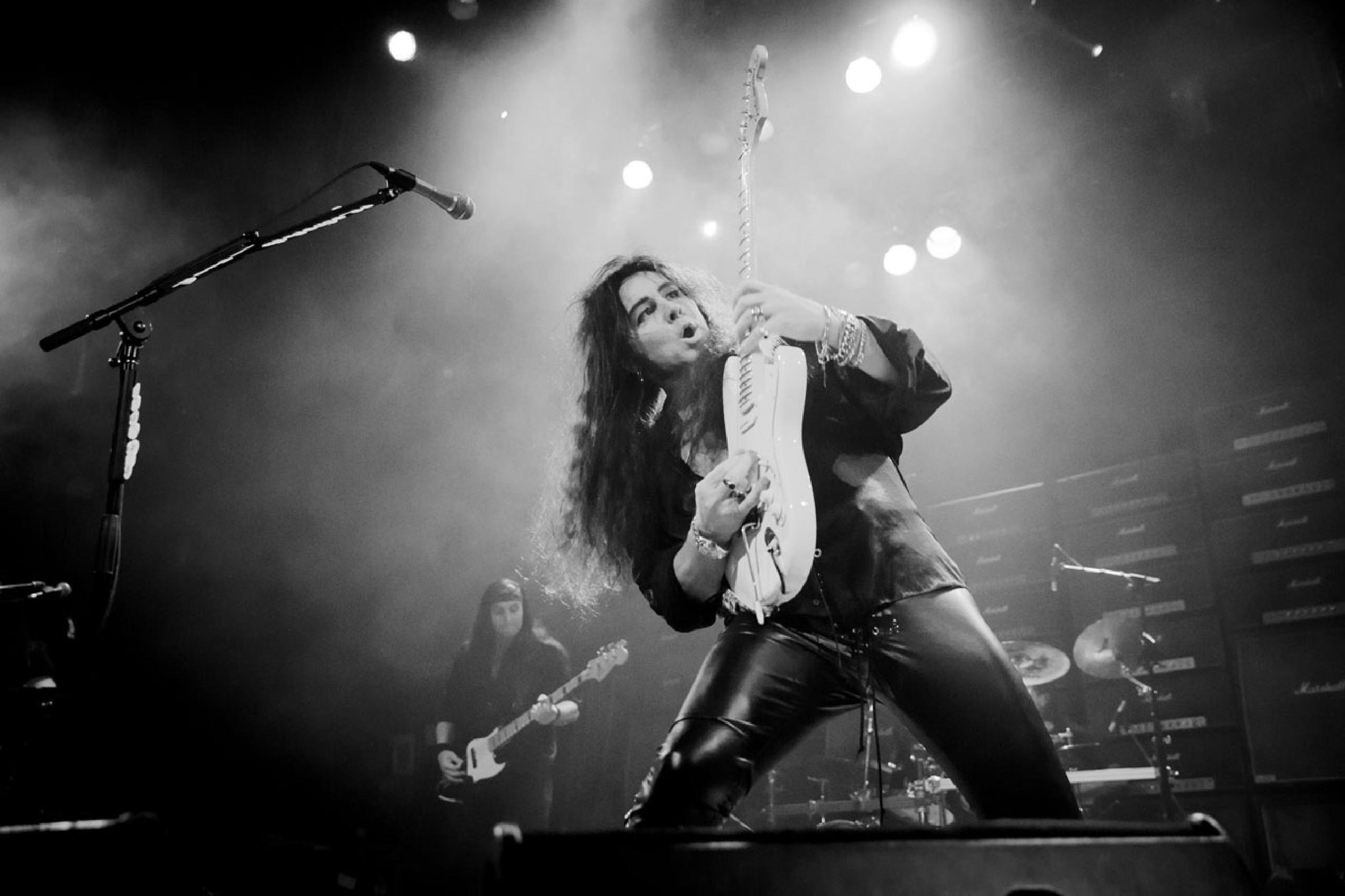
Yngwie Malmsteen on the importance of developing your own musical identity, rather than focusing your time attempting to copy and emulate other guitarists.
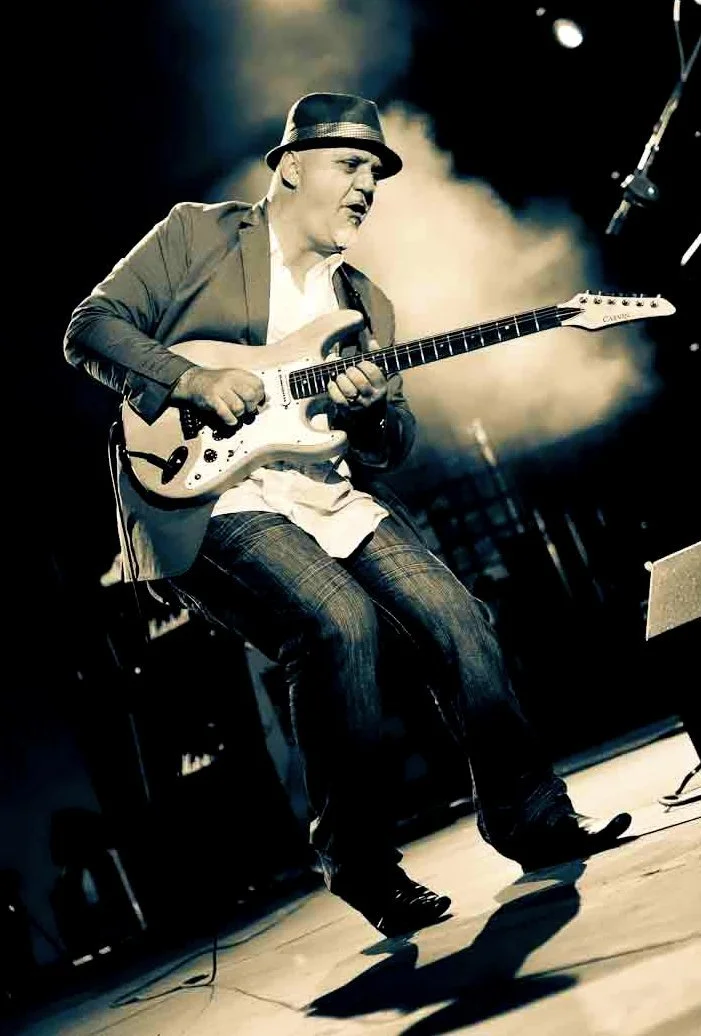
Frank Gambale addresses a common misconception concerning the time and perseverance necessary for musical development. Developing and refining one’s skill and voice is a never-ending process. The key is to enjoy the journey itself and forge your own path.
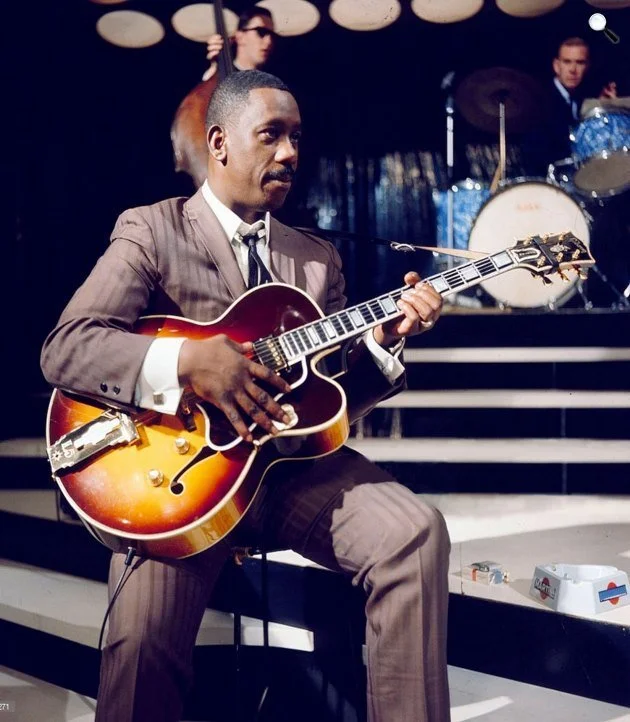
Wes Montgomery approaches the guitar as a musician first; the guitar is secondary.
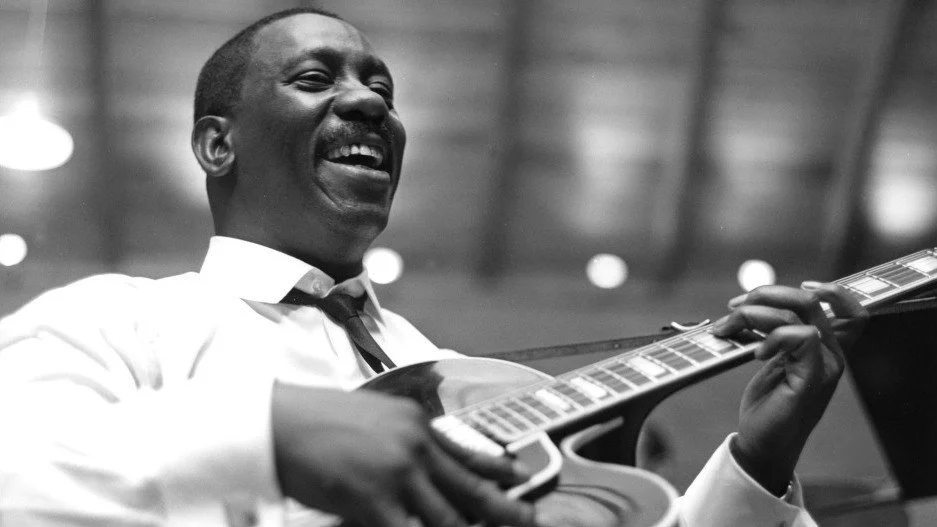
Wes Montgomery describes how he developed his incredible proficiency using octaves and the difficulty he experienced throughout the process.

Tommy Emmanuel on transforming skill (i.e., conscious playing) into music (i.e., subconscious playing) and using the melody as the guide.
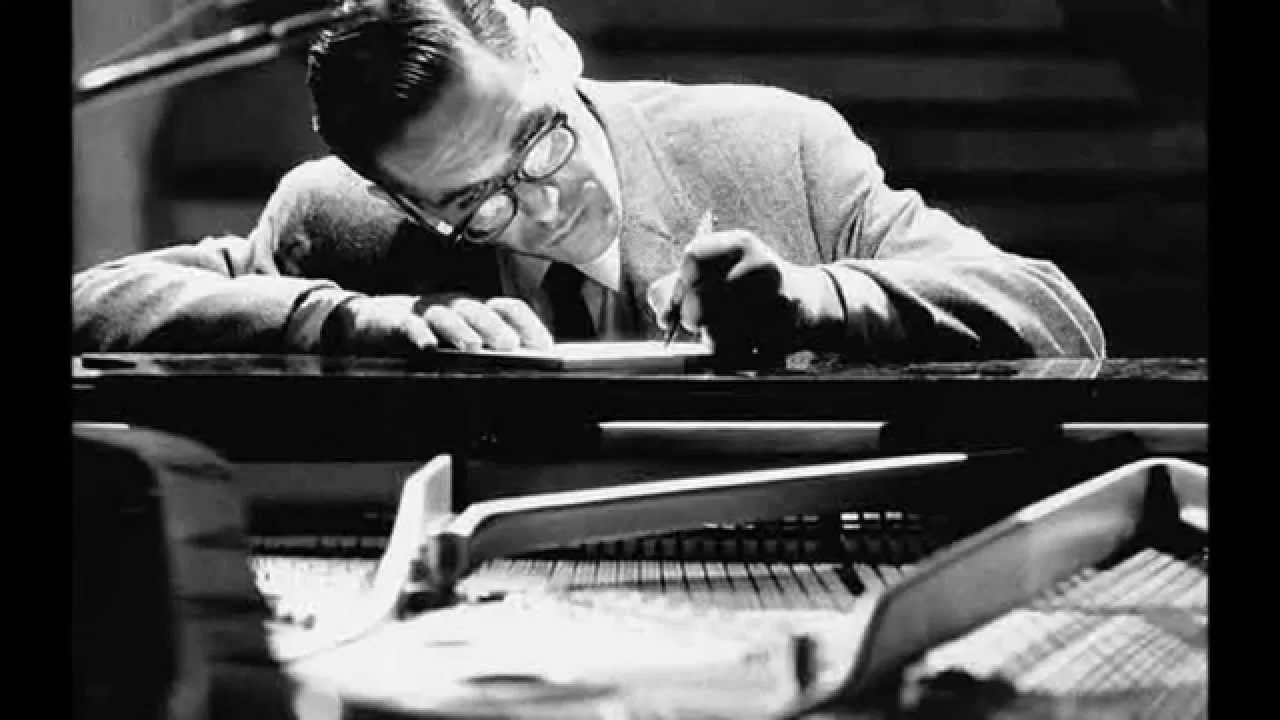
Bill Evan responds to musicians who think they need to overplay; simplicity and the real (genuine) as the foundations upon which playing is built; and not being overly cautious when playing. The entire interview with his brother, Harry is highly recommend..
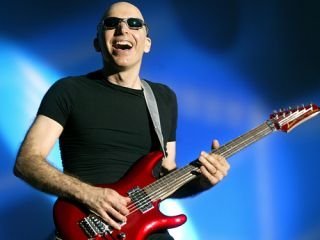
Joe Satriani recalls when he realized how poorly he played the guitar as a teen and learning to play an entire song without stopping. He began on the drums before switching to the guitar; his parents decided to buy him a tape recorder instead of investing in a guitar amplifier. Some of the most important things: Learn to play an entire song without stopping with consistent timing.
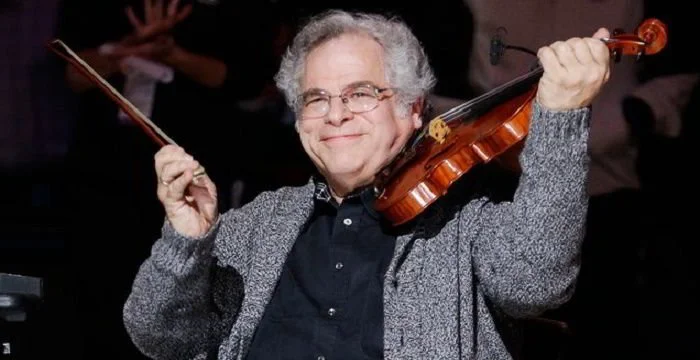
Brilliant violinist Itzhak Perlman on the value of practicing very slowly. I recommend watching the entire video.

Victor Wooten on using rhythm and space when improvising solos.
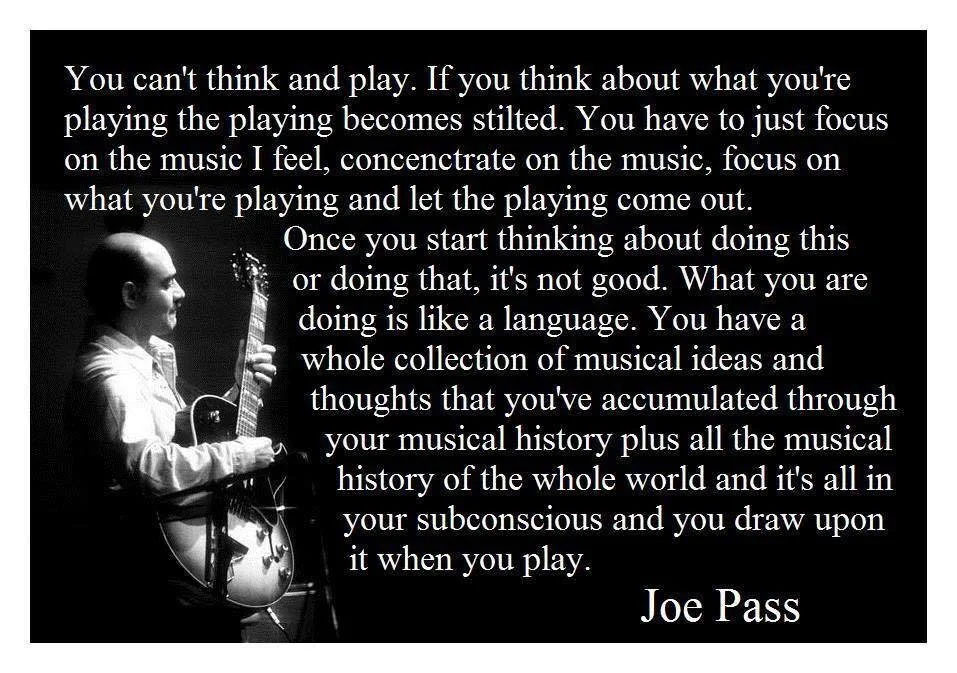
Joe Pass on thinking and playing: "You can't think and play. If you think about what you're playing, the playing becomes stilted. You have to just focus on the music...; concentrate on the music; focus on what you're playing; and to let the playing come out. Once you start thinking about doing this or doing that; it's not good. What you are doing is like a language. You have while collection of musical ideas and thoughts that you've accumulated through your musical history, plus all the musical history, plus all the musical history of the whole world, and it's all in your subconscious, and you draw upon it when you play.
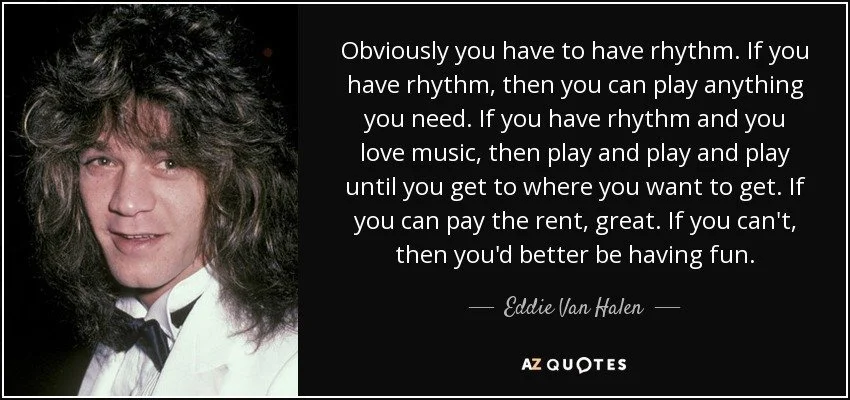
Eddie Van Halen on rhythm: "Obviously, you have to have rhythm. If you have rhythm, then you can play anything you need. If you have rhythm and you love music, then play and play and play until you can get to where you want to get. If you can pay rent, great. If you can't, then you'd better be having fun.
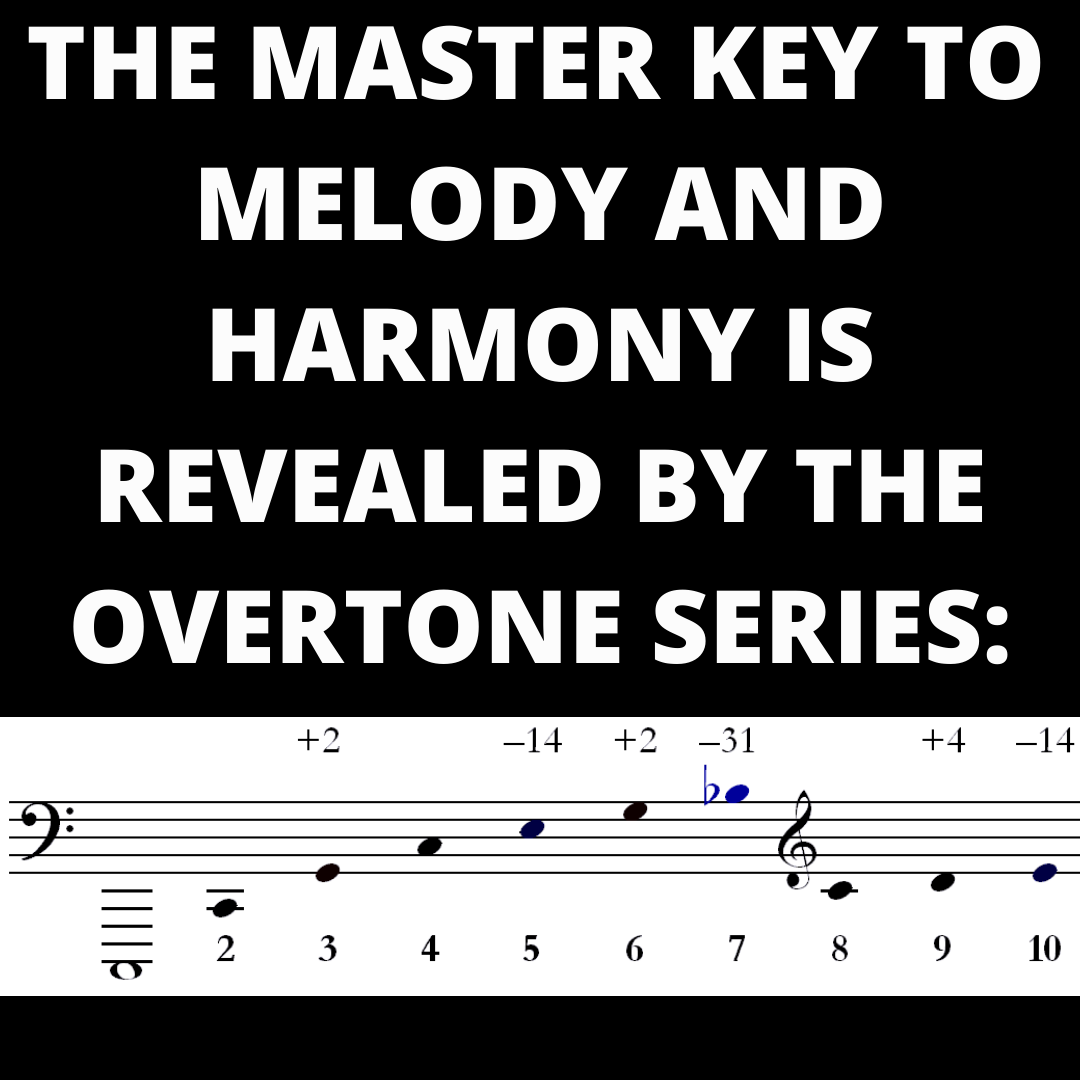
The key to understanding melody and harmony is within the naturally occurring harmonic) overtone series. All notes are contained within the "core" note known as the Fundamental tone or pitch. You may think of the Fundamental similarly to the number one; all other numbers flow from it. Note: the numbers above some overtones (e.g., +2) indicate the difference above or below between the natural overtone and equal temperament. Equal temperament, in which all semitones are tuned equally, has been the convention for Western music over the last 100 years.

On Saturday, February 11th, 2023, 13 students between the ages of 8 and 70 performed a live online concert. Some students had began only four months before the concert; others began a year ago, while others had over 5 years of